What are Faux Finishes?
Do you find painted walls a bit flat or one-dimensional? Many homeowners feel the same, especially when decor alone isn’t enough to bring a space to life. There are more creative ways to elevate a room.
Once popular in earlier design trends, faux finishes are making a comeback. Now used in more subtle, modern ways, they add texture, depth, and visual interest. It’s a customizable way to add depth and character to your walls. Sometimes, a wall just needs more than color to stand out.
 What Is a Faux Finish?
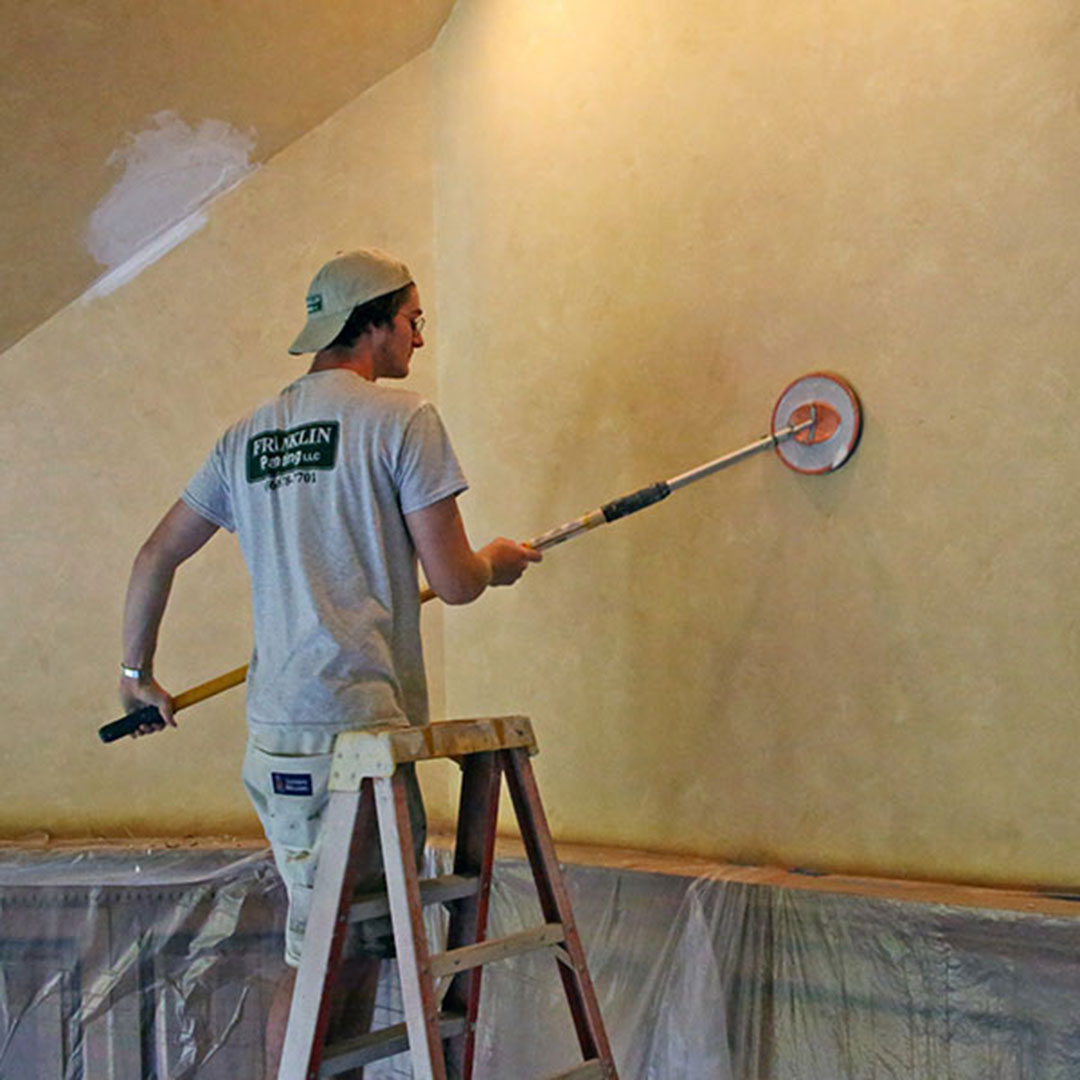
Faux finishes are decorative painting techniques that mimic the appearance of real materials. Common materials it can mimic include marble, wood, stone, and plaster. It’s not just color, though. It leans into illusion and texture to replicate something that isn’t just a wall in your room. With the resurgence of this style, there is an increased focus on subtlety and realism.
Popular Types of Faux Finishes
There are several different approaches to this look. They can be adapted to suit a wide range of home styles. Some of the most popular options are:
- Marbleizing, which replicates natural marble veining and is often hand-painted for realism
- Wood graining, which mimics the look of real wood
- Color washing is a soft, layered technique that creates a slightly aged effect
- Venetian plaster, a smooth, polished finish often used for a high-end look
Benefits of Faux Finishes
When walls look plain, faux finishes can add depth and texture to otherwise flat surfaces. No matter your style, they can elevate any space. A faux-finish wall — whether applied to a full room or a single accent wall — can achieve a high-end look without expensive materials. It works well as a focal point without overwhelming a space. It’s commonly used as a creative touch for entryways, dining rooms, or home offices.
Where Faux Finishes Work Best
Faux finishes can be used in many areas, but they tend to work best when applied intentionally. It’s best when used intentionally, not everywhere. Because of this, you may see faux finish walls:
- As accent walls in larger rooms like the living room and bedrooms
- Dining rooms or entryways
- Feature walls or architectural details, used sparingly
- Commercial spaces, such as restaurants, are used to establish character or a sense of place.
Should You Hire a Professional?
Faux finishes can transform a dull space, but they require a high level of skill to execute well. Because of this, they’re often best left to professionals. It can easily look uneven or overdone when done as a DIY project. Professional painters ensure consistency and realism, which is especially important for polished finishes.
 A Modern Take on a Classic Technique
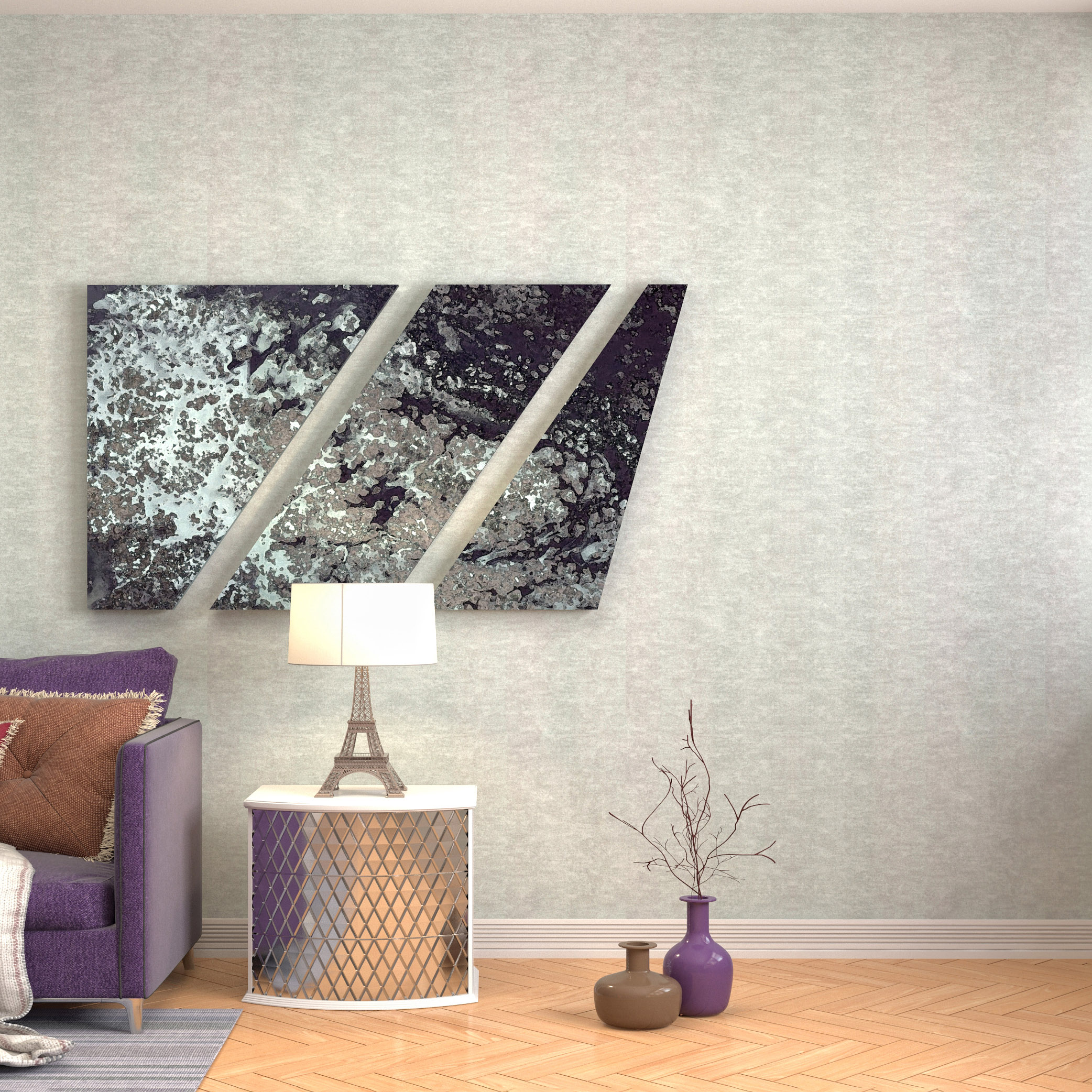
As faux finishes continue to resurface in modern design, more homeowners are exploring them. Faux finishes offer a more updated and refined look than before. If you’re interested in reinventing part of your home, contact Franklin Painting Company. We’re here to help you explore ideas and find the right finish for your space.