DIY Painting Dangers
As one of the original colonies and the fifth U.S. state, Connecticut has over 250 years of history. Its charming architectural styles, such as the elegant Gothic Revival, cozy Cape Cod, Colonial Revival, and Craftsman-style homes, are among the most attractive features across Hartford, Windsor, and New Haven. Notably, more than half of the 1.5 million homes in the Constitution State were built before 1978, ranking fifth nationally for the share of older homes. As a result, many of these homes still contain lead-based paint, which poses a danger during DIY painting projects.
 What is Lead Paint?
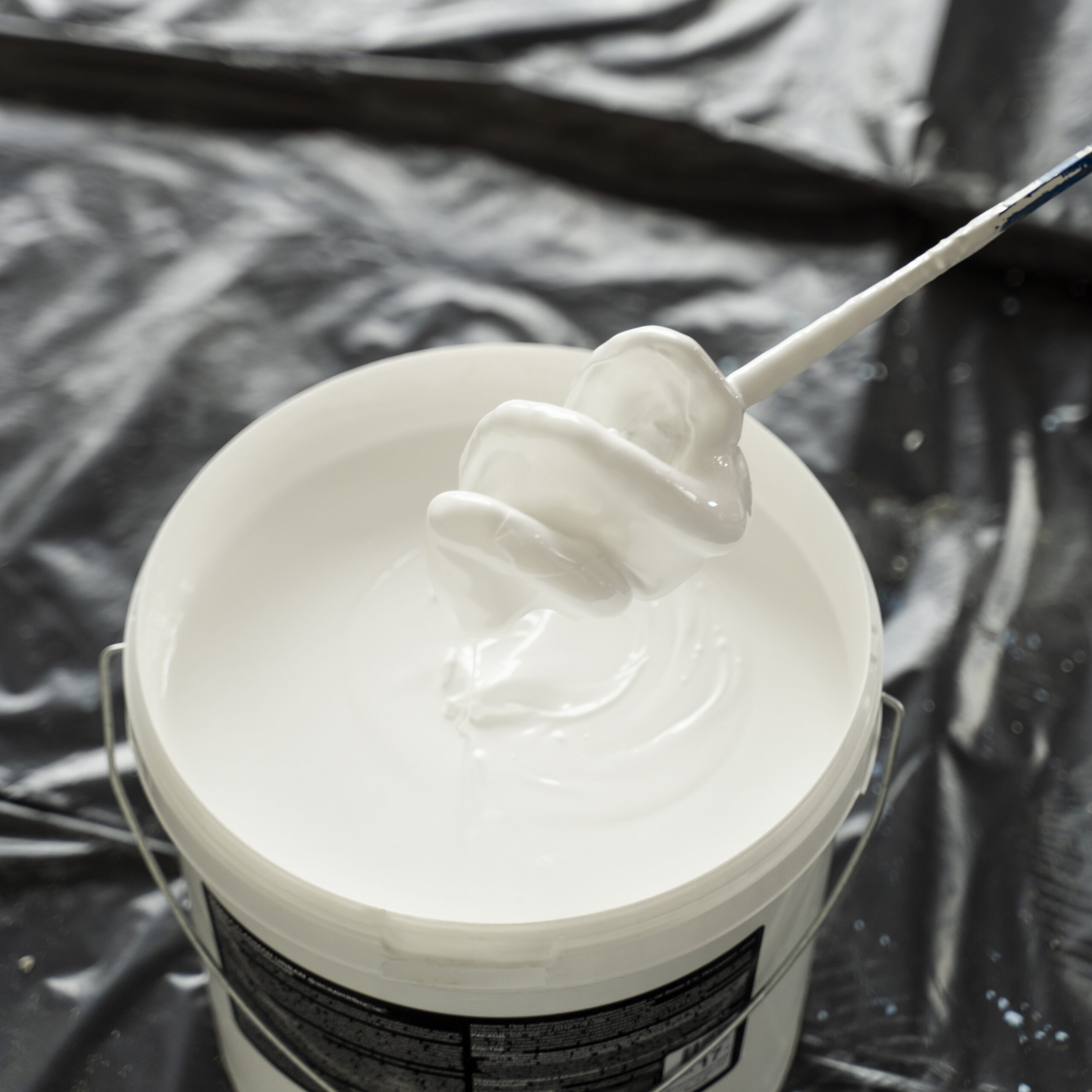
Lead is a heavy metal that was commonly used in paints for its durability and moisture resistance. However, the U.S. government banned it for residential use in 1978 after discovering that lead is a potent neurotoxin. Even if your home has been repainted several times since then, the original lead layers often remain buried underneath, waiting to be disturbed during a renovation.
The Dangers of Lead Paint Removal:
The real danger isn’t the paint on the wall—it’s the dust and fumes that fill the air when you disturb it during a repainting project. For a DIYer, everyday prep work can become a health hazard:
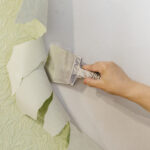
- Lead Dust: Sanding or scraping old paint releases microscopic lead particles into the air. They are easily inhaled and can settle into carpets and air ducts, creating a health hazard in your home long after the project is finished.
- Toxic Fumes: Using heat guns to strip paint can also pose a health hazard. The heat vaporizes the lead, creating toxic fumes that are nearly impossible to contain without specialized equipment.
- Health Risks: Lead exposure can cause irreversible health issues. In children, it leads to developmental delays and behavioral issues. In adults, it can cause high blood pressure, joint pain, and memory loss.
Why Hire a Contractor Certified for Lead-Based Paint Removal
When it comes to lead, “standard” painting practices aren’t enough; an EPA-certified Renovation, Repair, and Painting (RRP) contractor follows strict federal mandates to keep your family safe:
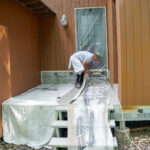
- Containment: Certified painting contractors use heavy-duty plastic sheeting and “negative pressure” zones to contain hazardous particulates within the work area.
- Specialized Equipment: Professionals must also use HEPA-filtered vacuums and wet-sanding techniques to keep dust levels at zero.
- Proper Disposal: Lead-contaminated waste cannot simply be thrown in the kitchen trash; it requires specific bagging and disposal protocols.
- Post-Work Verification: Certified pros perform a rigorous cleaning and “white-glove” test to ensure the space is 100% safe for re-entry.
What to Do if You’ve Been Exposed to Lead-Based Paint
Lead exposure can pose serious health risks, especially for children and pregnant women. If you suspect you have been exposed or if you find peeling or chipping paint that may contain lead:
- Consult a Painting Professional: Do not attempt to sand, scrape, or remove old paint yourself, as this can create hazardous lead dust.
- Get Tested: Contact your healthcare provider to request a blood test if you are concerned about lead exposure.
- Clean Safely: Use a wet cloth or mop to clean up paint chips and dust, preventing them from becoming airborne.
- Hire Certified Contractors: Ensure that any renovation or painting project in an older home is handled by EPA-certified Lead-Safe contractors who follow specific safety protocols to protect your family and home.
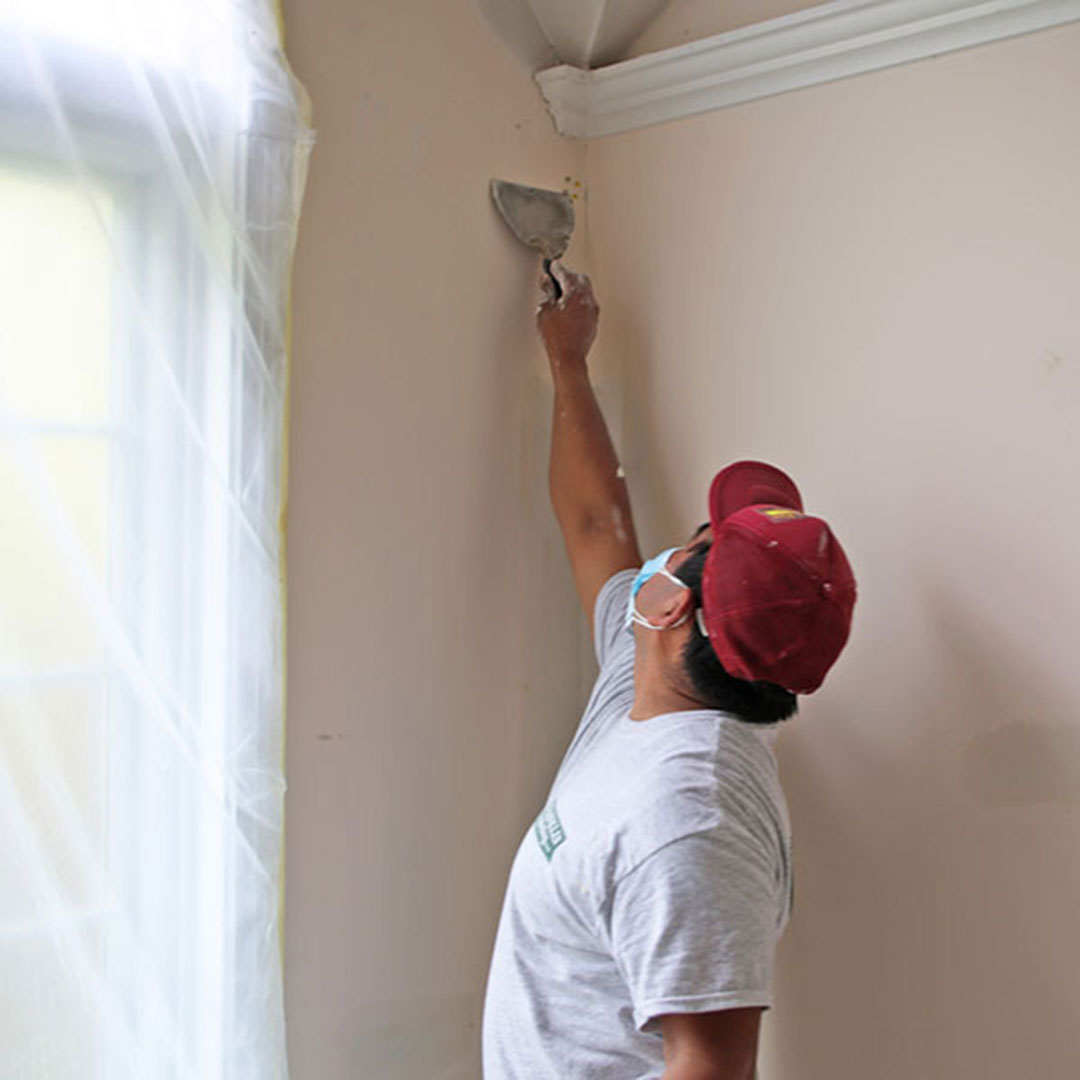 Call Franklin for Certified Lead-Based Paint Removal & Renovation
Ready to renovate your home? If your home was built before 1978, it likely still has lead-based paint. Don’t risk the dangers of DIY painting. Franklin Painting offers certified lead-based paint removal for flawless interior and exterior painting. Whether you want to update an older home or a historic residence, our certified experts deliver flawless results. Contact us today for a free consultation with our expert team in Connecticut.